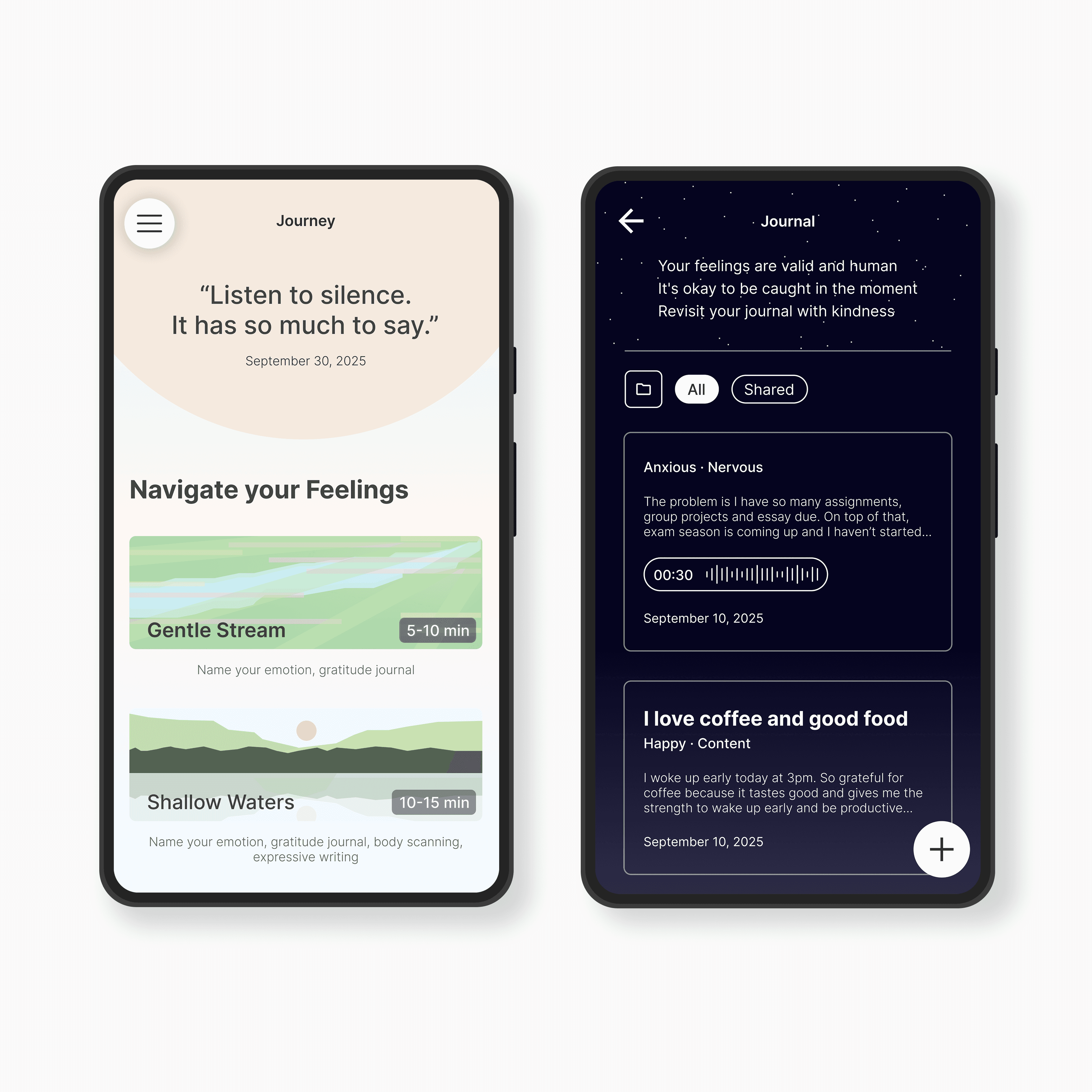
Journey
Designed a mindfulness app for journal writers to manage stress through structured, adaptive prompts and a social support community, achieving a 96% user satisfaction rate.
Duration
August-October 2025
My Role
UX Designer
Project Type
Solo Personal Project
Tools used
Figma, FigJam, Notion, Notability
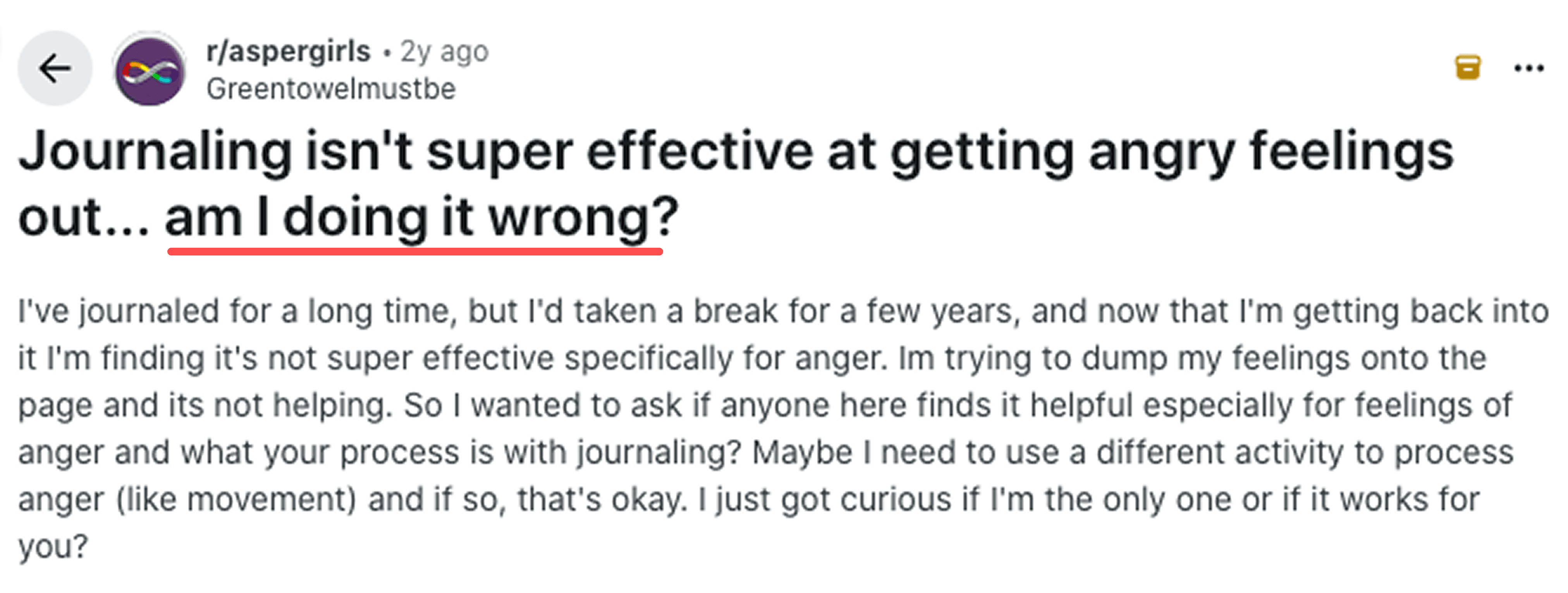
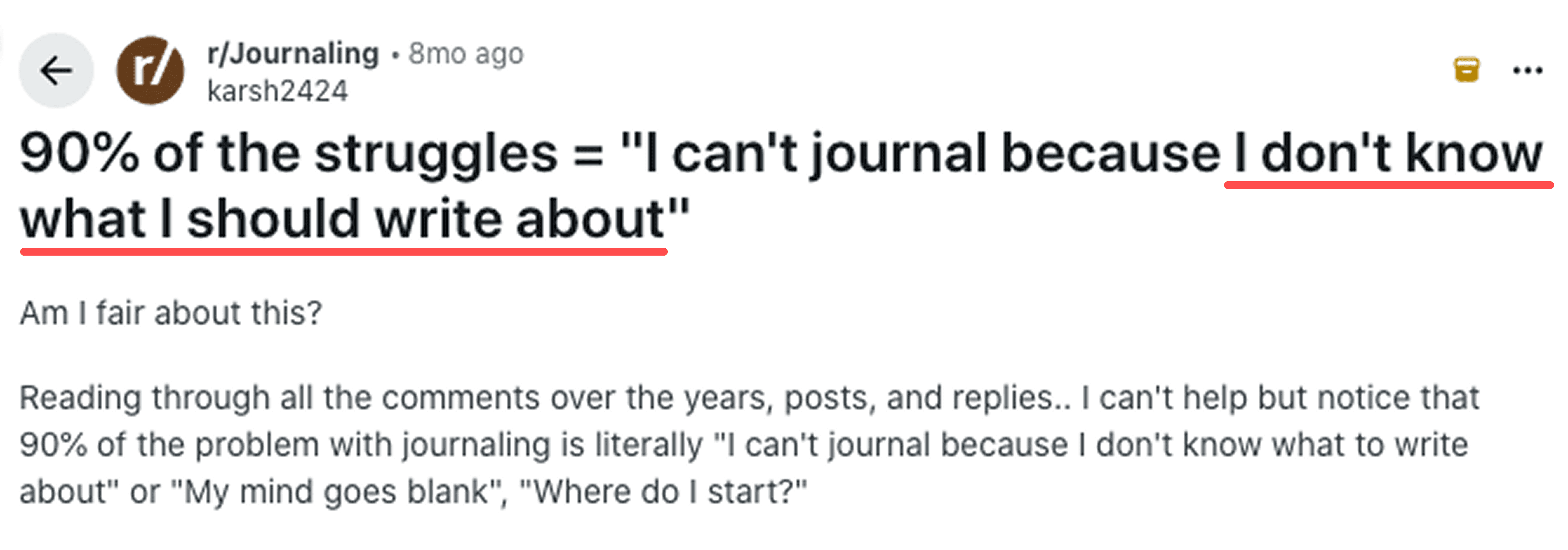



Competitive analysis revealed a significant gap. While mindfulness apps are popular, none provide structured guidance. This user need represents an opportunity to provide a unique product that offers a comprehensive journaling solution.
The guided prompt offers a scalable framework, ensuring consistent and reliable user engagement across different scenarios.

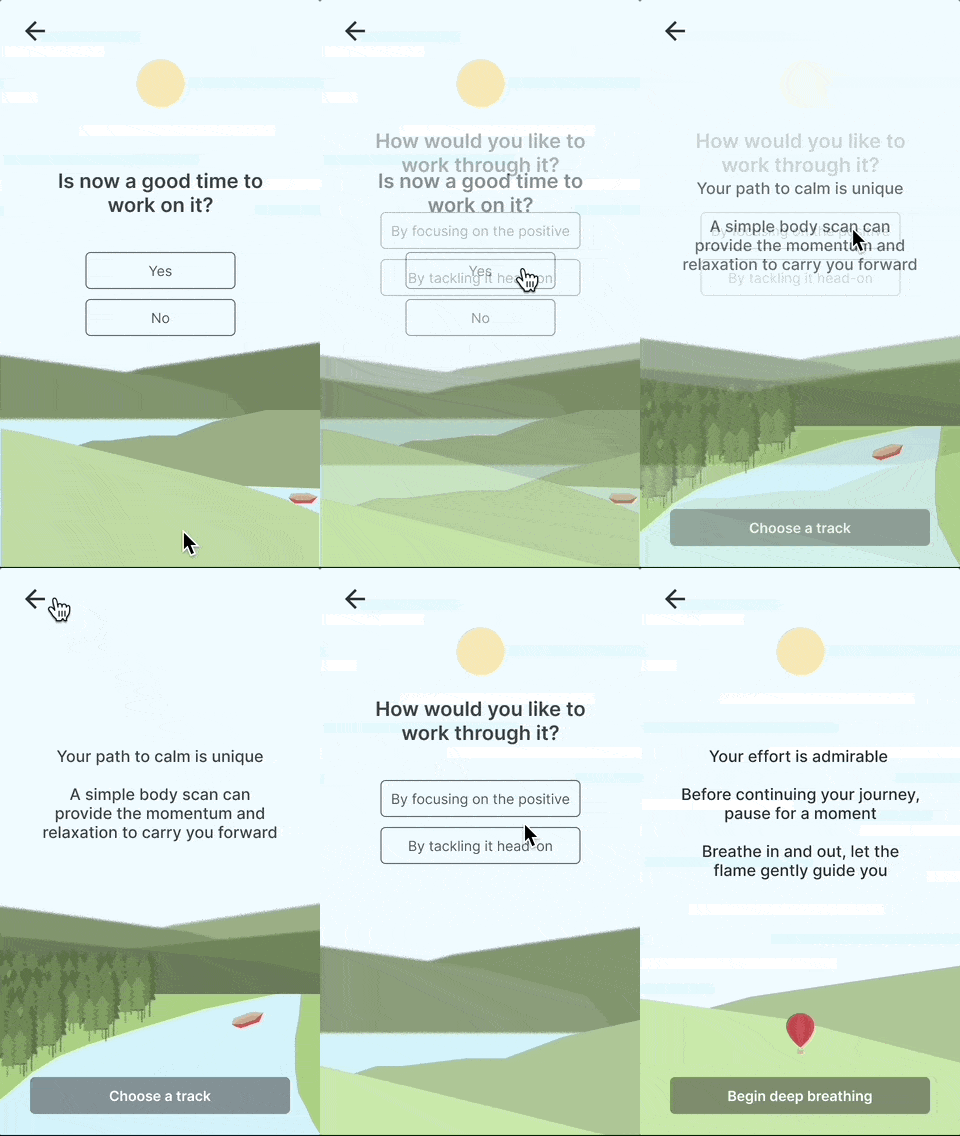
Prompts adapt based on user’s needs, delivering tailored coping strategies to maximize effectiveness and long-term retention.
An integrated community builds a unique social support system, especially for many without a strong one, driving engagement.
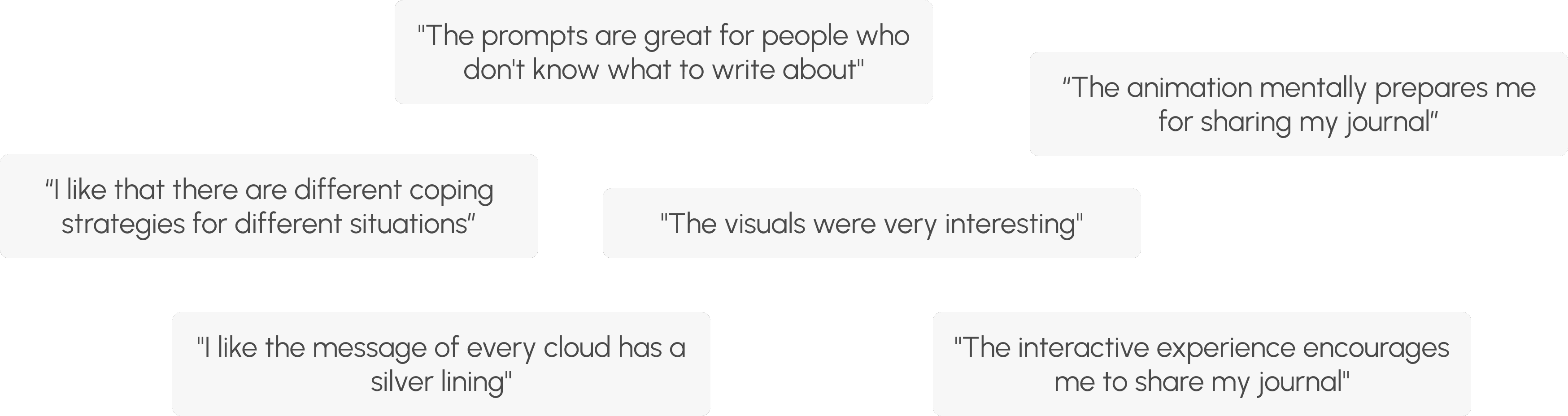
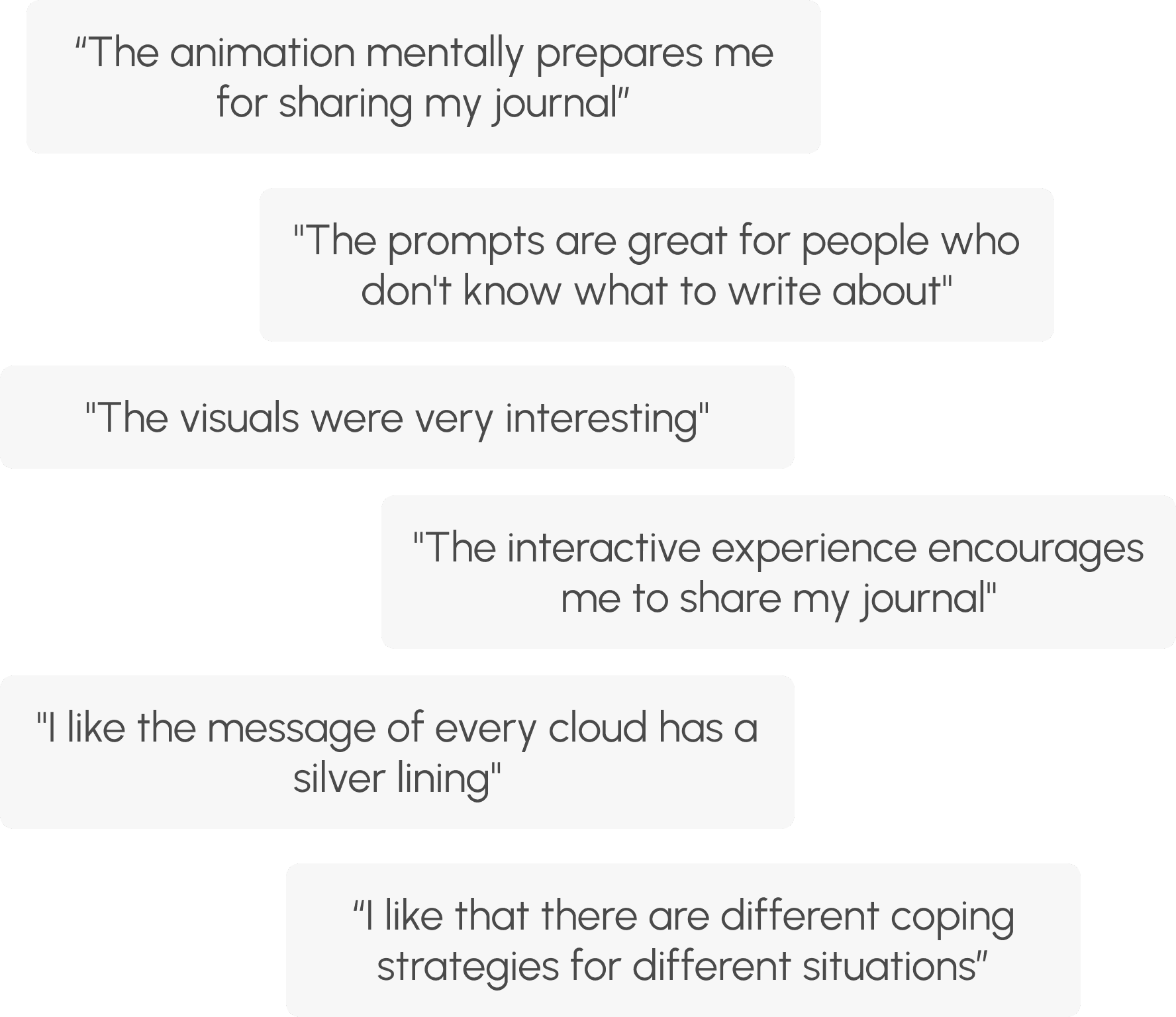
The journaling feature demonstrated significant value with users reporting high effectiveness in navigating their emotions.
The overall experiences was very immersive, ensuring strong user engagement, which translates to user loyalty and value.
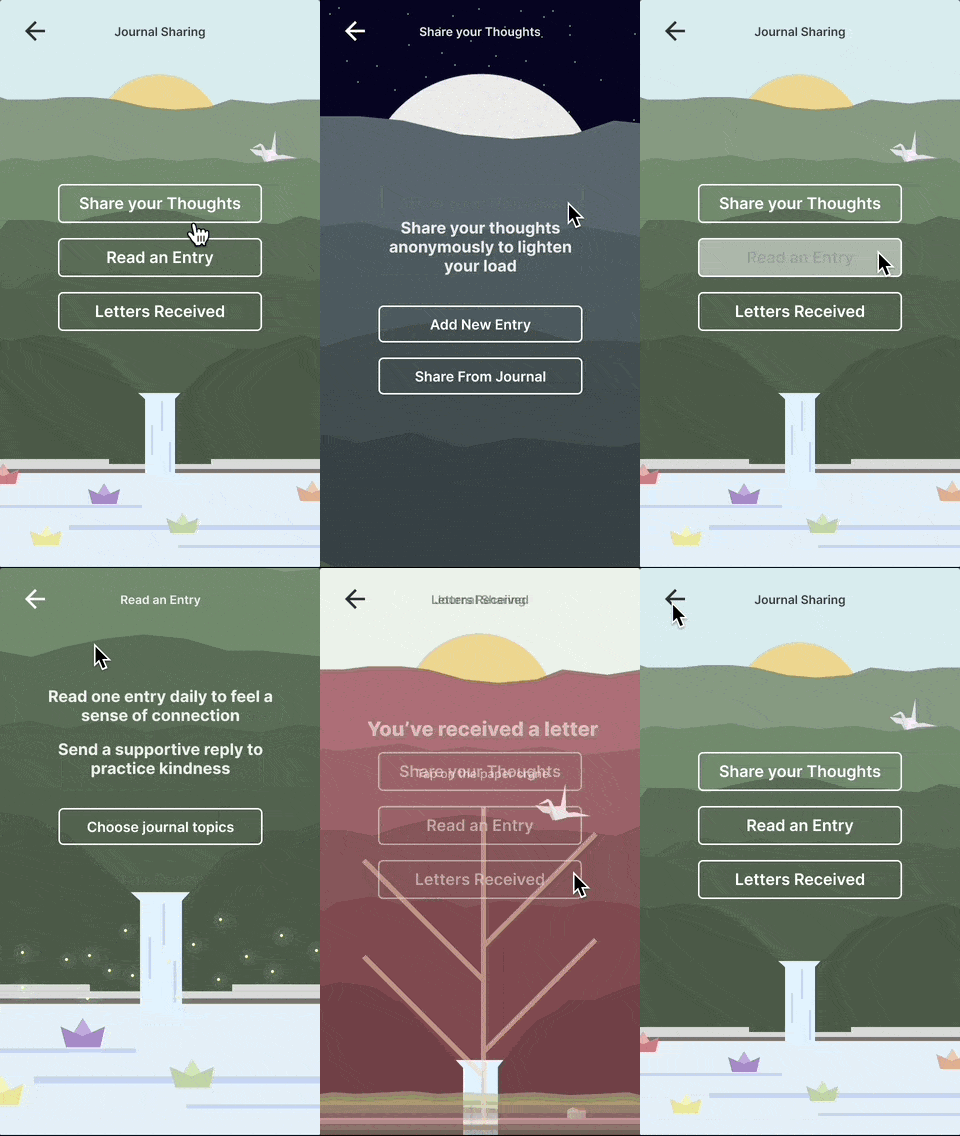
Social support is crucial to effective coping. However, research revealed that 24% of adults lack adequate social support, representing an unmet need. Creating a community to fill this need further reinforces user engagement with the core journaling feature. This feedback loop aims to increase retention and value.
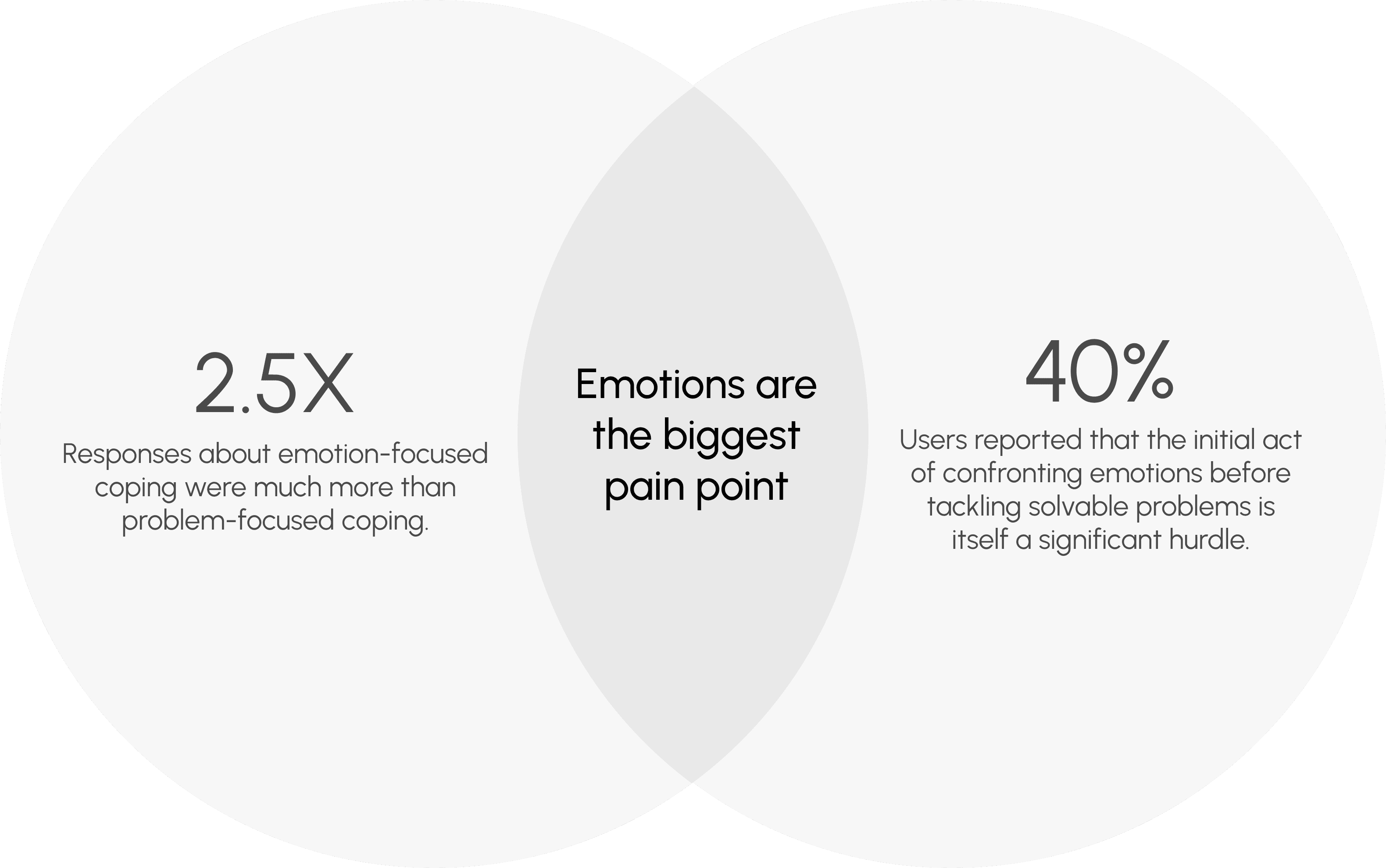
Users find navigating emotional problems significantly more challenging than solving practical ones, as it requires a wider range of strategies.
The initial concept was to help users select between two coping styles. However, based on user research, I decided to focus on emotional coping.
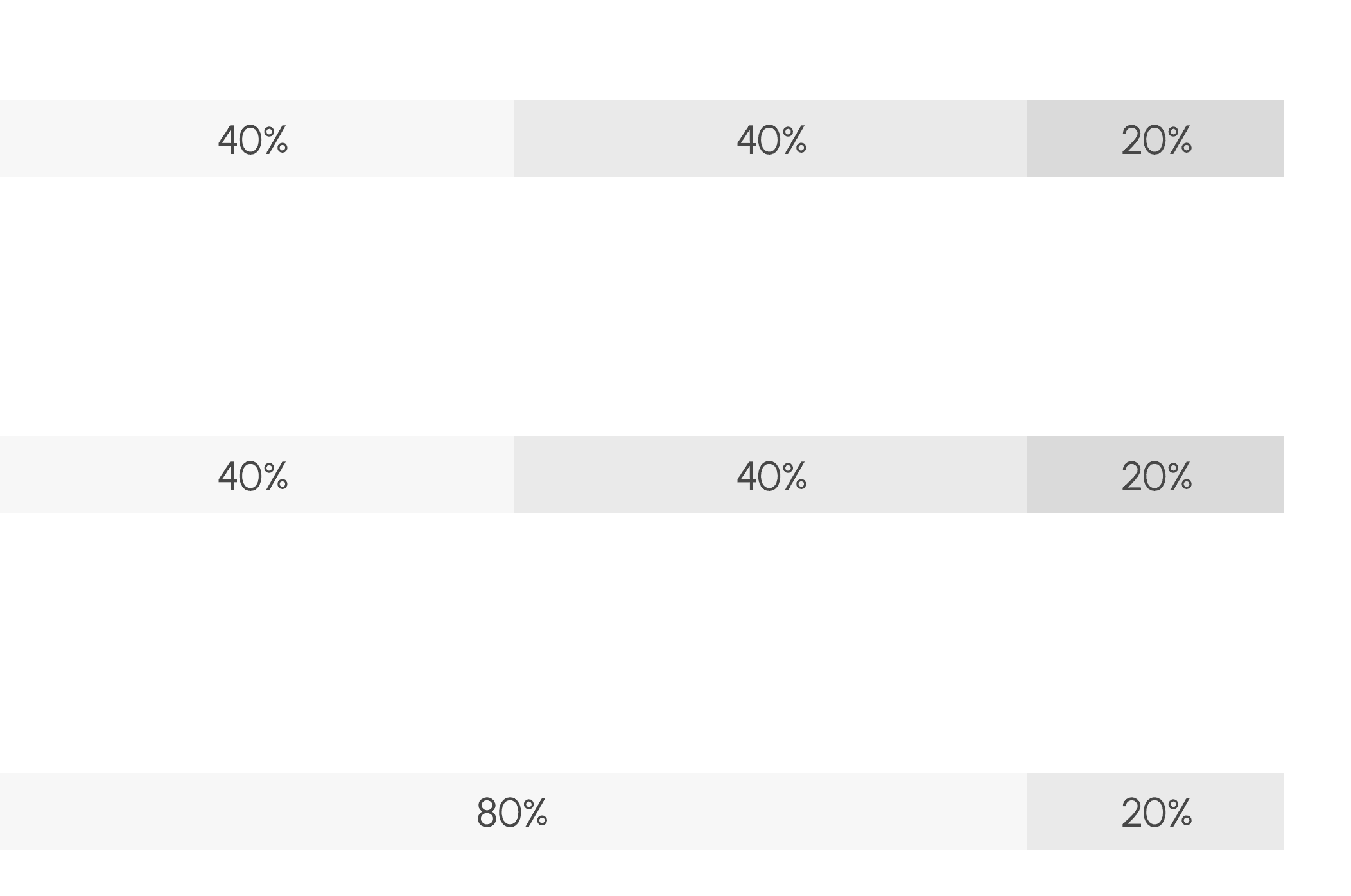
Journal writers exhibit diverse habits. From the content and form of expression to their preference to save or discard entries.
Flexibility and user autonomy help meet a wide spectrum of individual needs, increasing the relevance of the journaling experience.
I conducted usability testing with five participants. The main goals were to understand how users navigate the app, assess the effectiveness of journal exercises, collect user feedback on all features, and the UI.
All features were listed on the home page. Users found this all-in-one-page approach overwhelming.
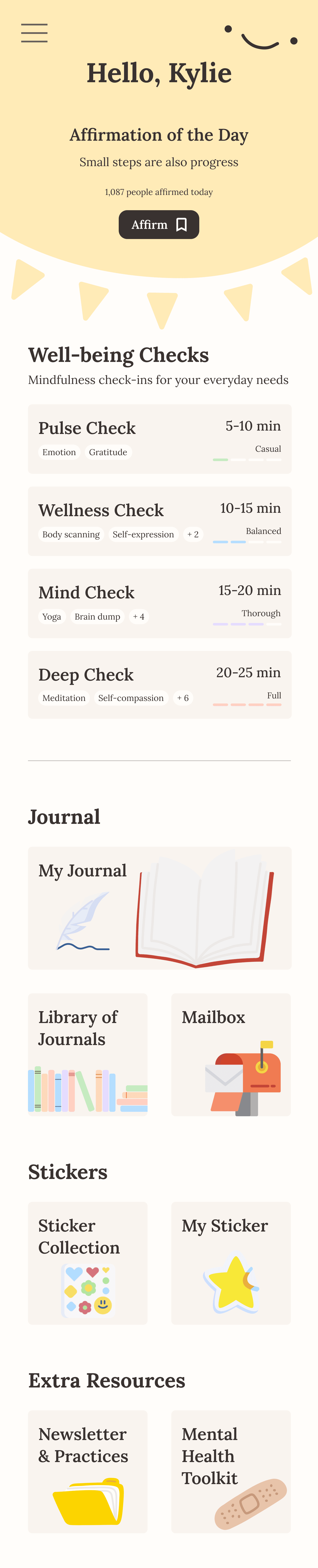
Before: Home page
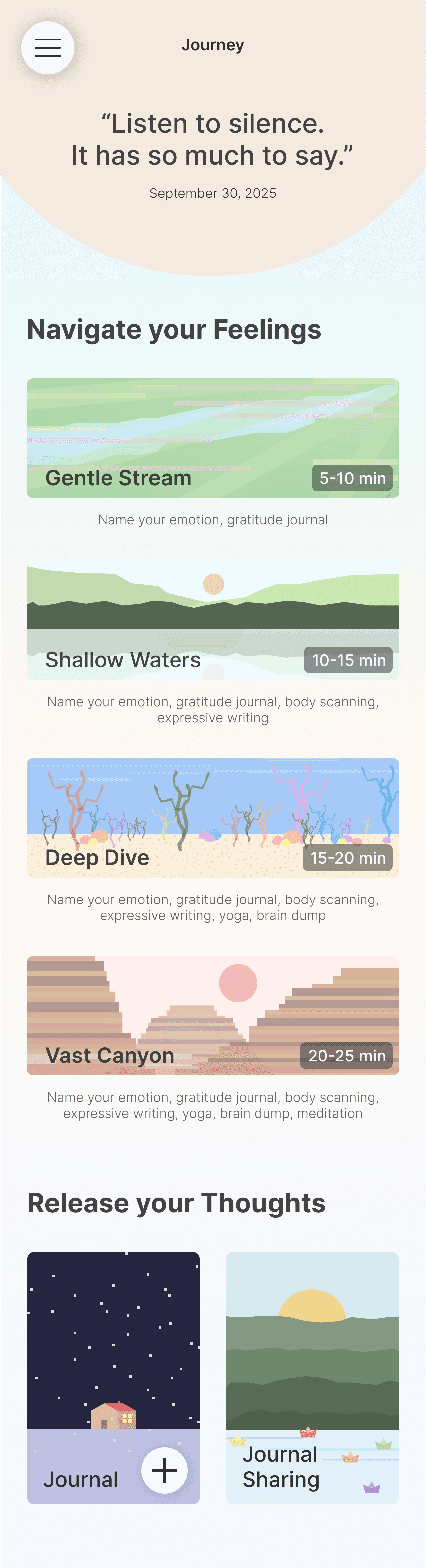
After: Home page
To simplify navigation, the core features were kept on the home page, while the rest were in the menu.
I included fun-to-have features that were non-essential for addressing the problem. E.g., mental health toolkit, newsletters and practices.
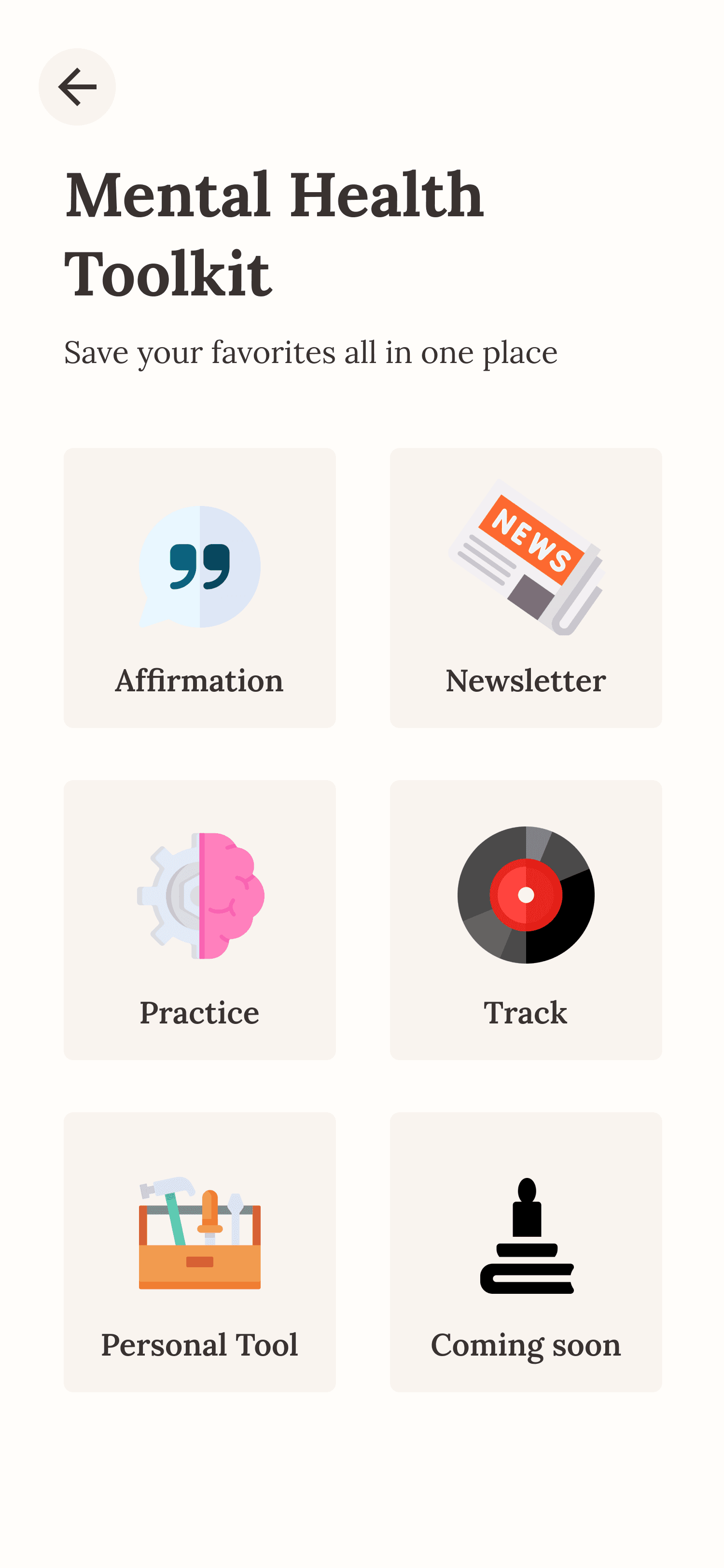
(Non-essential feature: mental health toolkit)
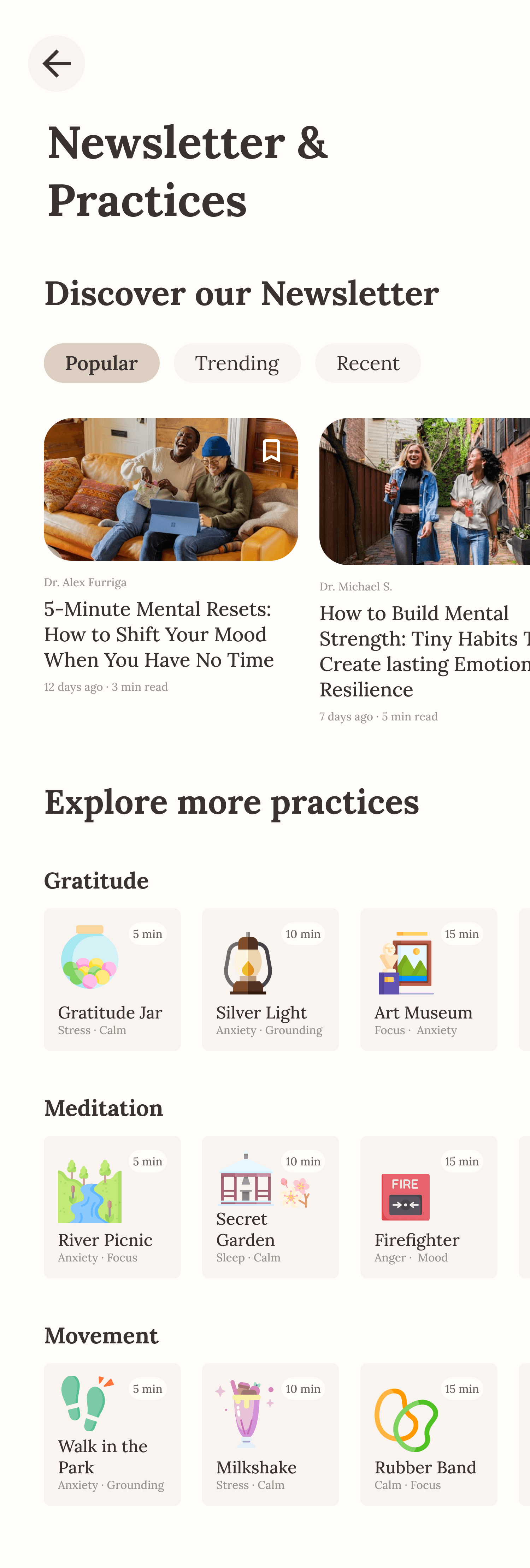
(Non-essential feature: newsletter and practices)
Only the essential features supported by research were kept. Other features can be included in V2.
The market is saturated with shapes as emotions or mental health companions, which this UI closely resembles.
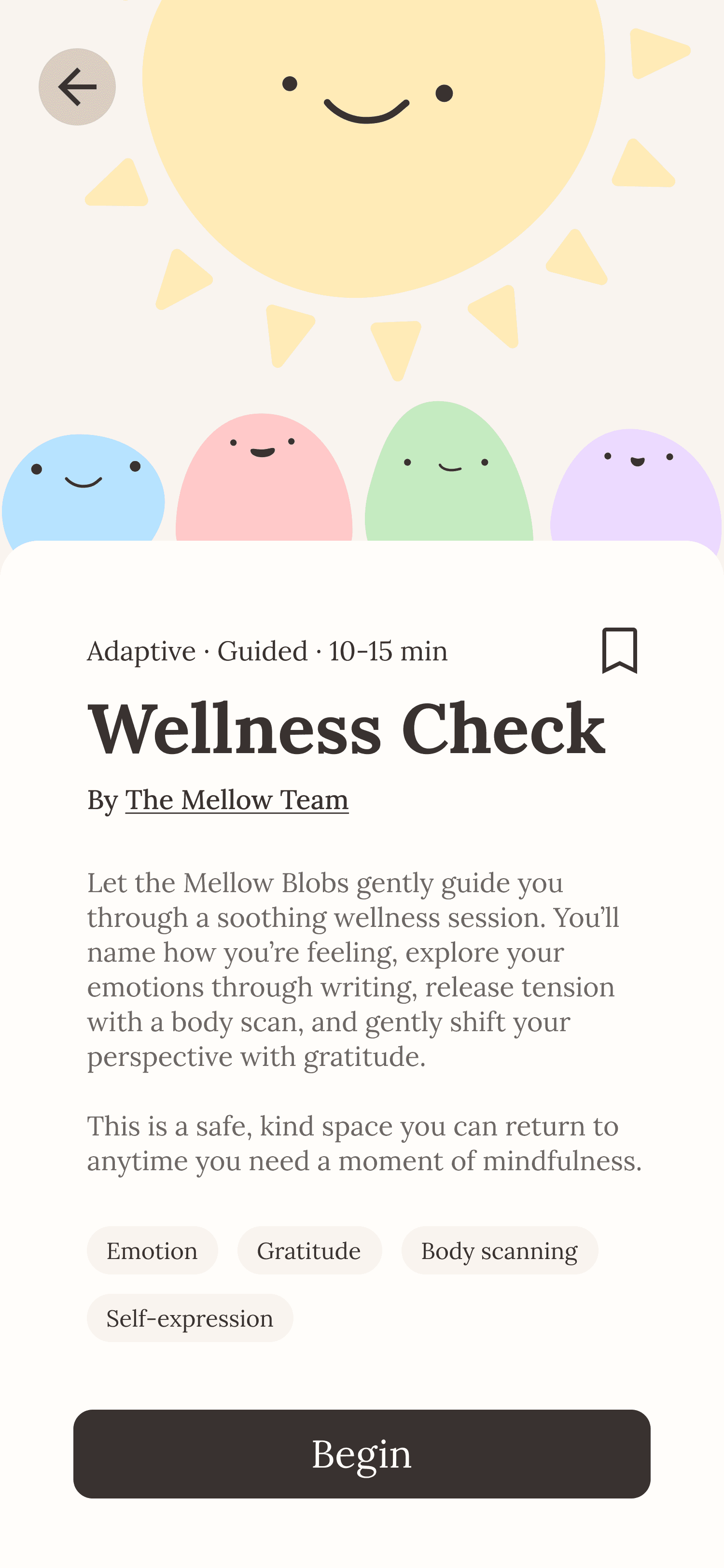
Before: Journaling exercise

After: Journaling exercise
Create a UI that drives engagement. The keywords that shaped the direction: immersive, calm and fun.
(The animation might load slower.)
Fostering a sense of progression
Providing visual guidance
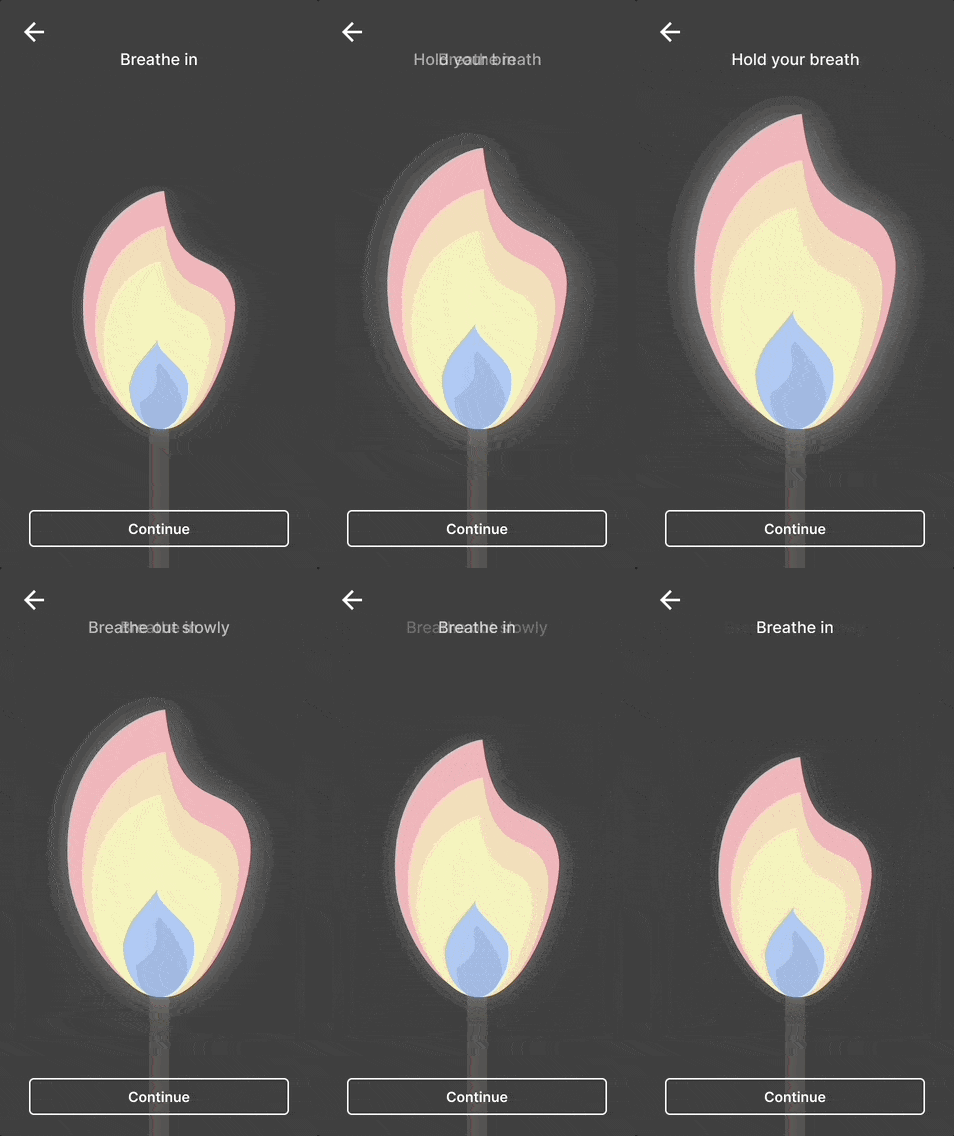
Breathing in sync with the flame provides guidance and a sense of calm
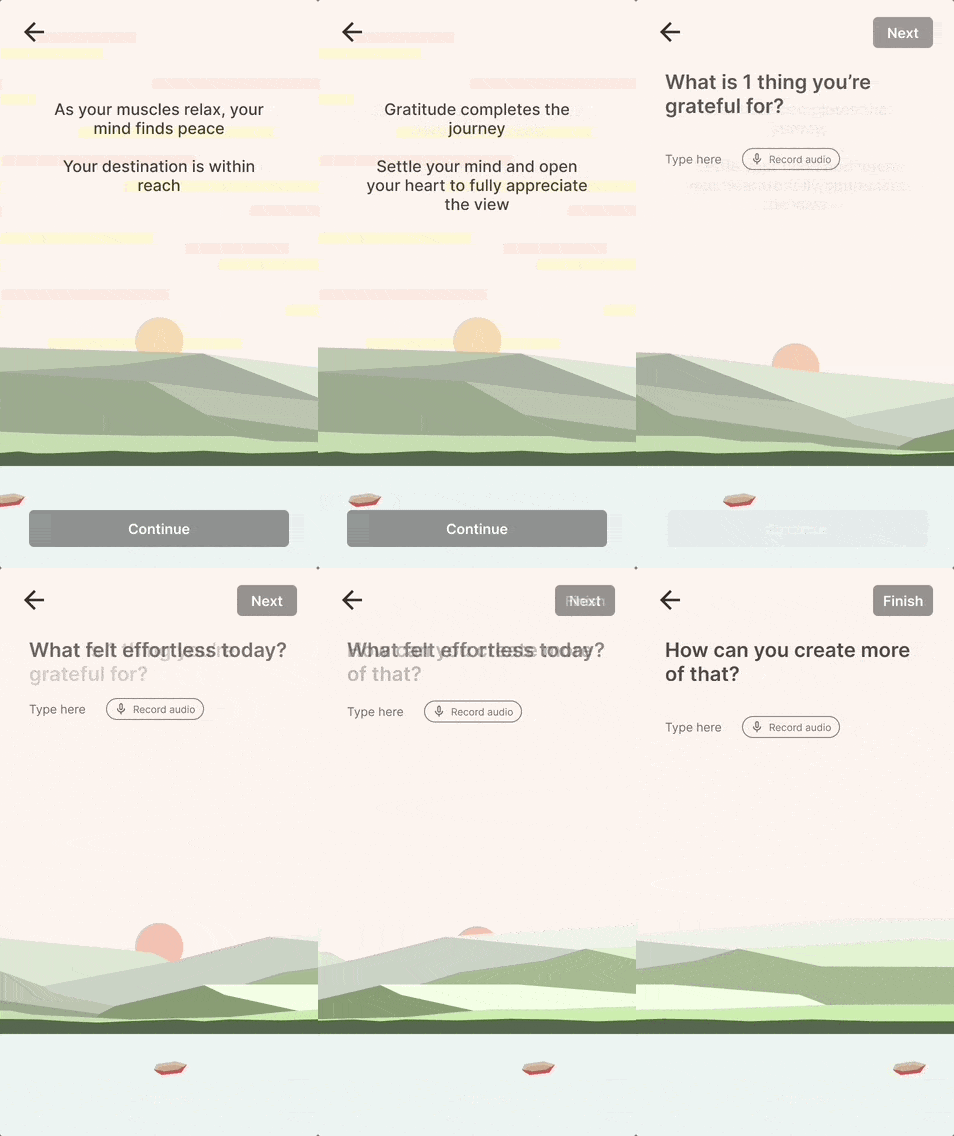
The boat moves across the lake after users finish writing a prompt
Preserving user anonymity
Feeling in control when sharing a journal entry

Packaging journals into numbered paper boats keeps anonymity and adds uniqueness

Users swipe up to place their paper boat, fostering a sense of control over journal sharing
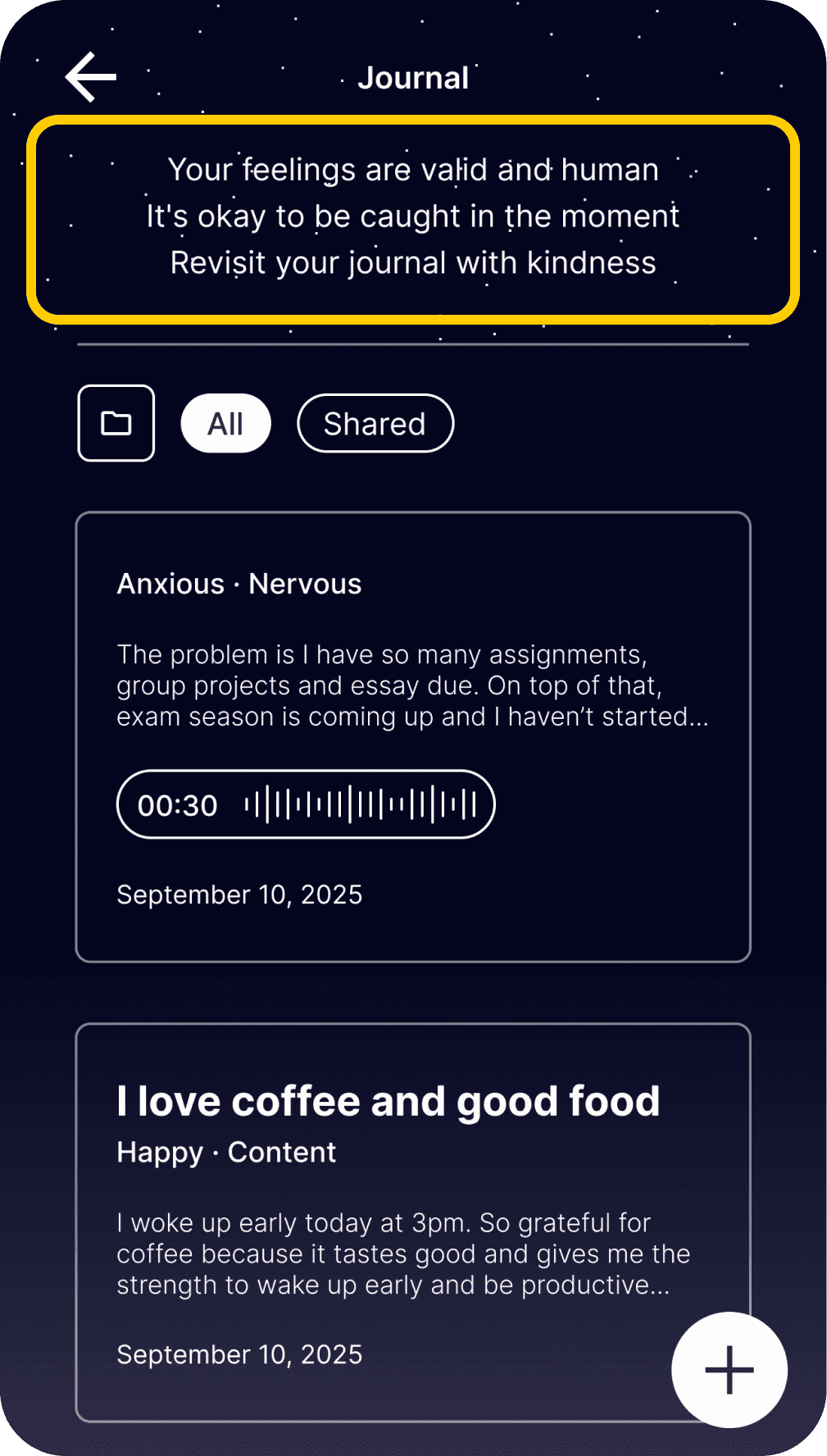
Reminder to exercise self-compassion when revisiting journal
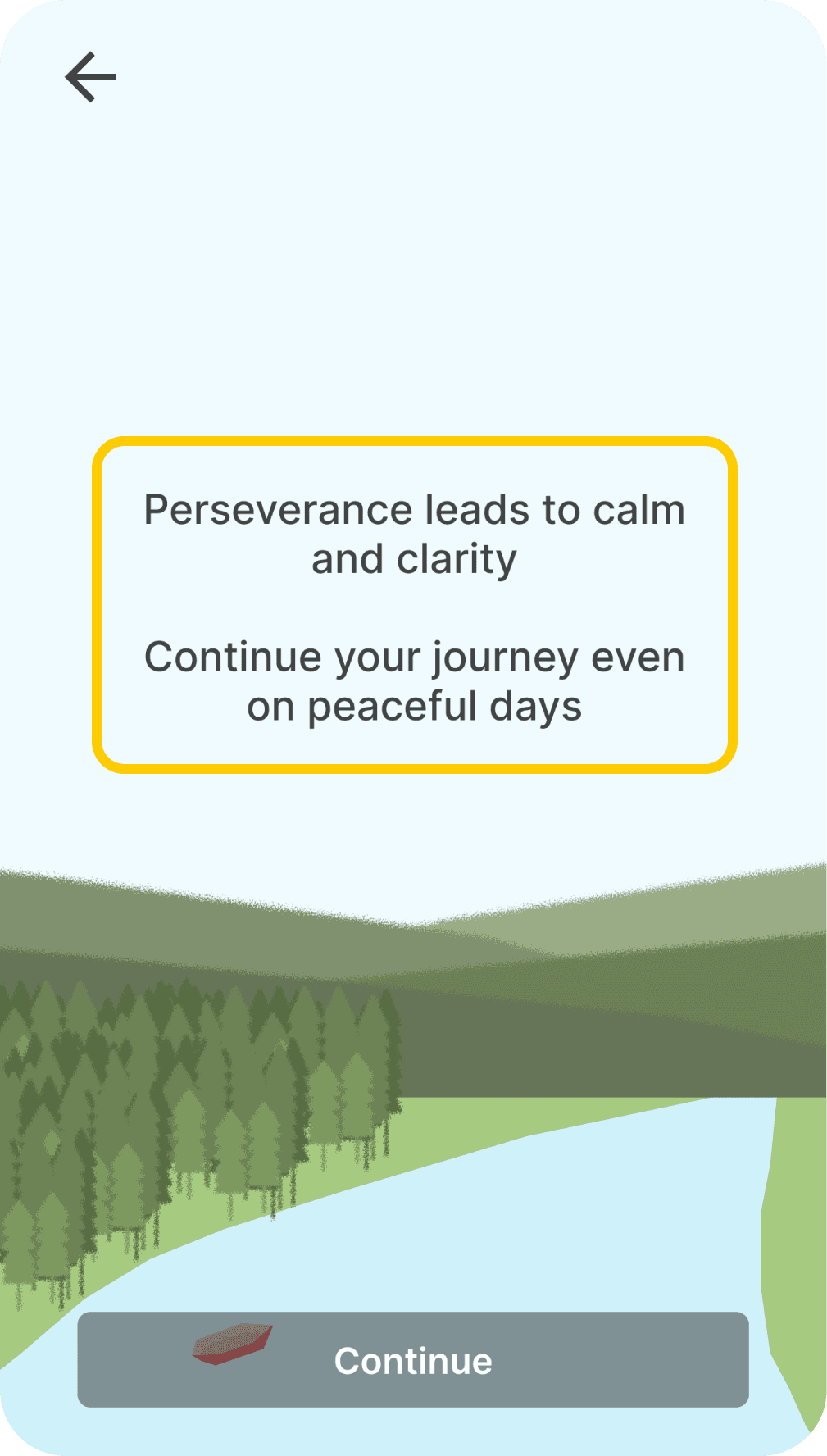
Encouragement throughout journaling

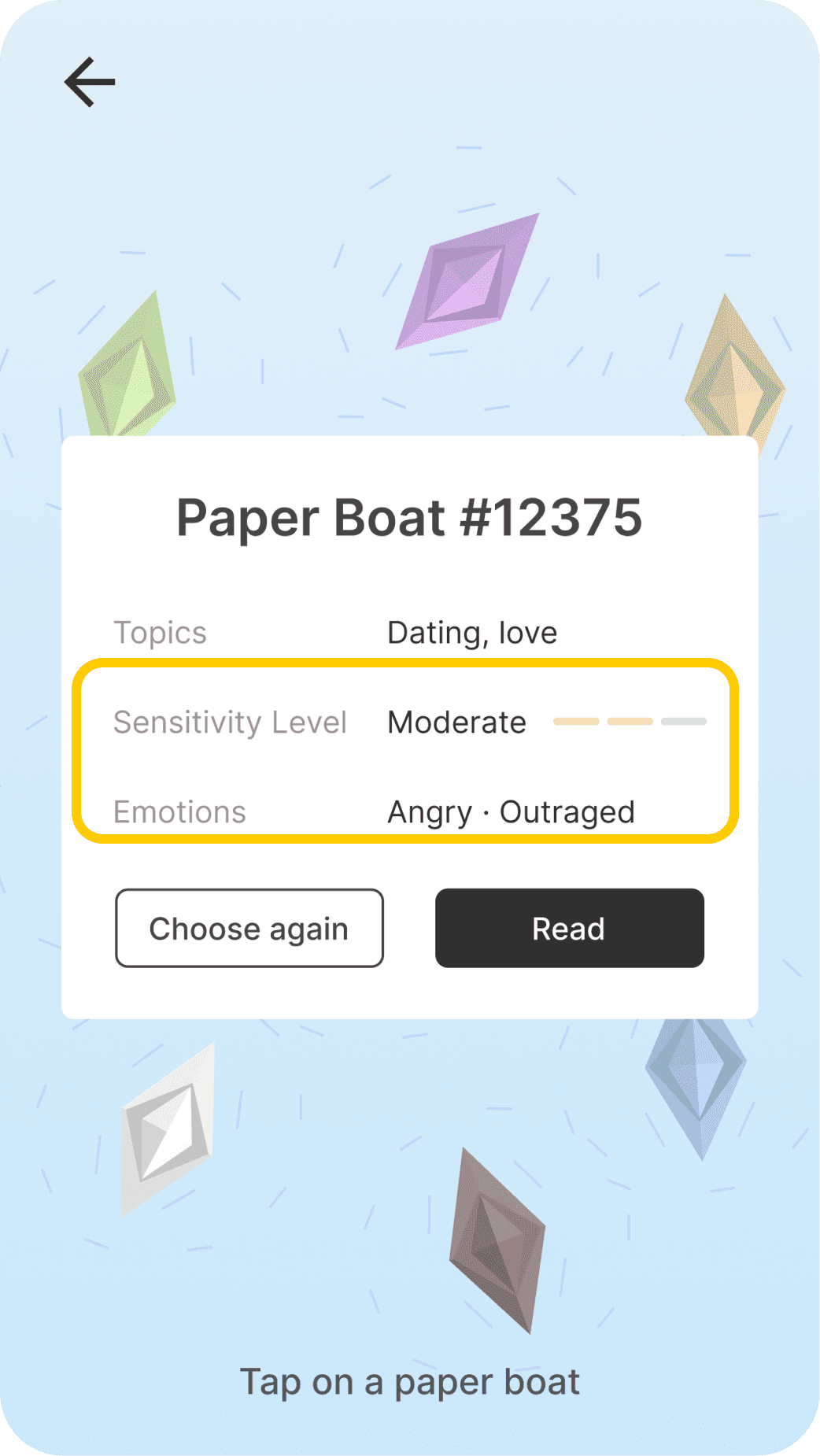
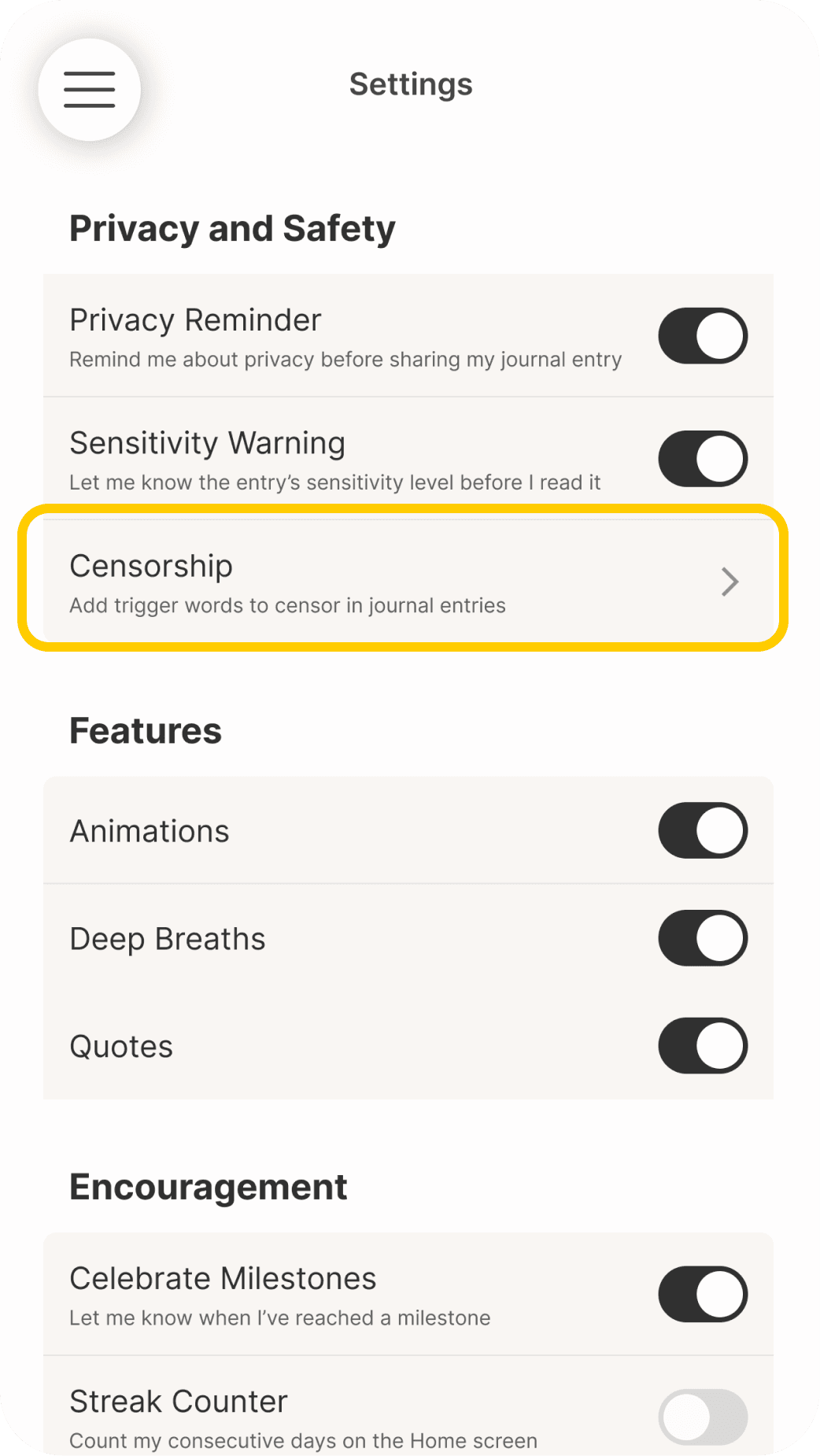
Autonomy in censorship: Input words to censor in other people's journal
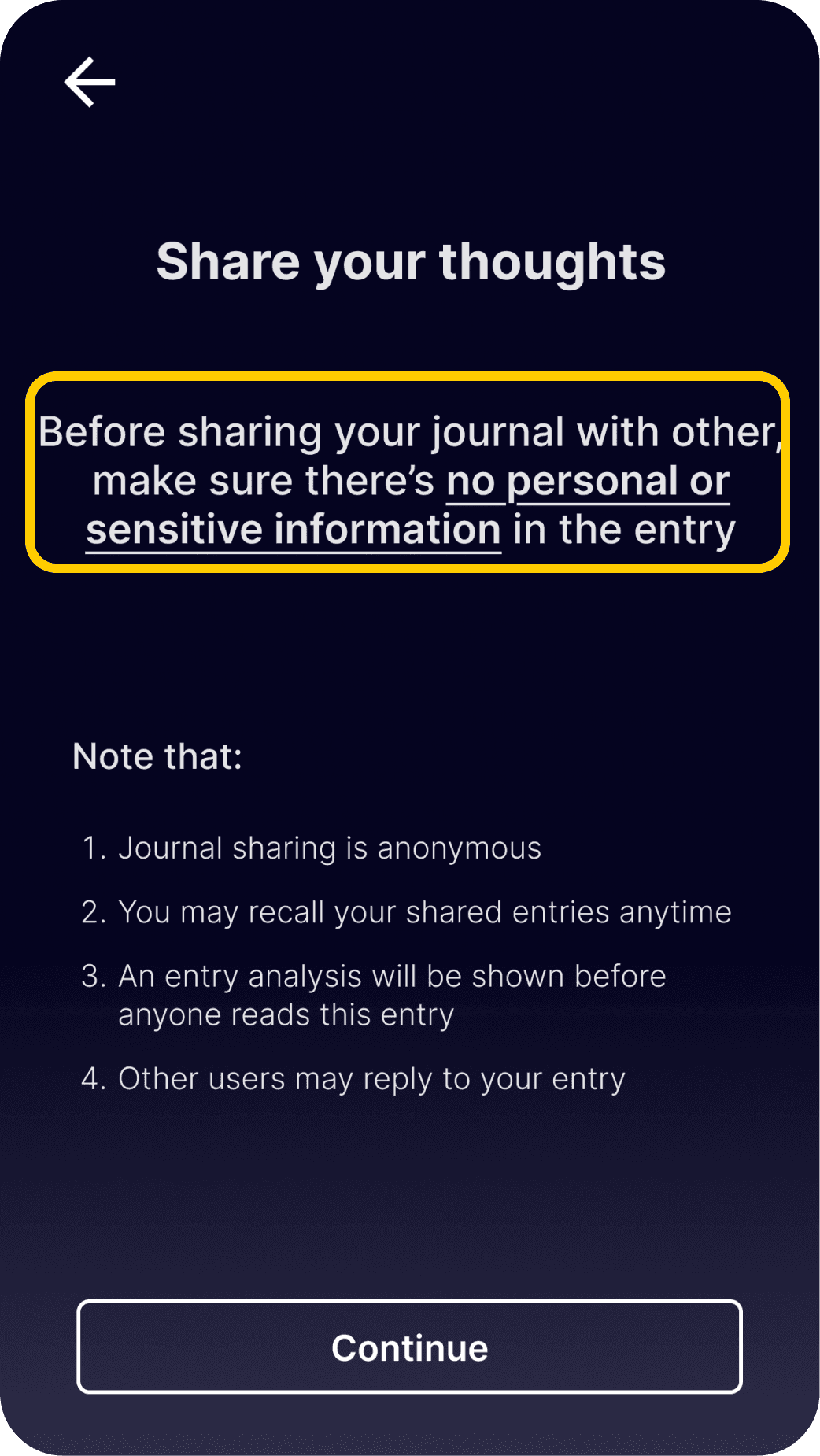
Privacy reminder before journal-sharing
Daily/Monthly active users
A high DAU/MAU ratio indicates a strong, habit-forming product. As Journey is designed for daily emotional practice, this metric is a direct measure of user retention, product effectiveness, and long-term viability.
Conversion rate
A subscription model would likely be adopted for Journey. The conversion rate to premium directly ties to business profitability, and its ability to monetize its user base.
Average session length
A longer session length means deeper engagement, suggesting that users derive value through immersive, reflective exercises, which also reveals great product effectiveness.
Feature adoption rate
Tracking feature adoption, such as journal-sharing, is useful for building the product roadmap. It provides evidence of user needs, which inform decisions on where to invest in new development or improve existing UX.
Audio for accessibility
If this were a working app, I would include audio. It is a huge part of immersion. Additionally, it helps with accessibility. E.g., for individuals with visual impairment, meditating with closed eyes, and for beginners to receive some extra guidance. During the usability testing, users expressed the desire for music or audio as well.
Testing initial concepts
In this project, I did it with user interviews. It drastically shifted the project’s trajectory by narrowing the design solution down to emotion-focused coping only.
Burger, J. M. (2018). Personality. SAGE Publications.
Raposa, E. B., Laws, H. B., & Ansell, E. B. (2016). Prosocial behavior mitigates the negative effects of stress in everyday life. Clinical psychological science, 4(4), 691-698.
Shu, T. M. (2023). Mental Health I: Stress. [Lecture notes].
Wills, T. A. (1991). Social support and interpersonal relationships. In M. S. Clark (Ed.), Review of Personality and Social Psychology. Vol. 12: Prosocial behavior (pp. 265-289). Thousand Oaks, CA: SAGE.